Pressure Ulcers
We take health care personally because true excellence goes beyond medicine and machines. It lives in the moments when quality of life improves, when pain eases, and when a wound finally closes. Those moments matter. They remind us why we care, why we persist, and why healing will always be a source of joy to us as well as out clients.

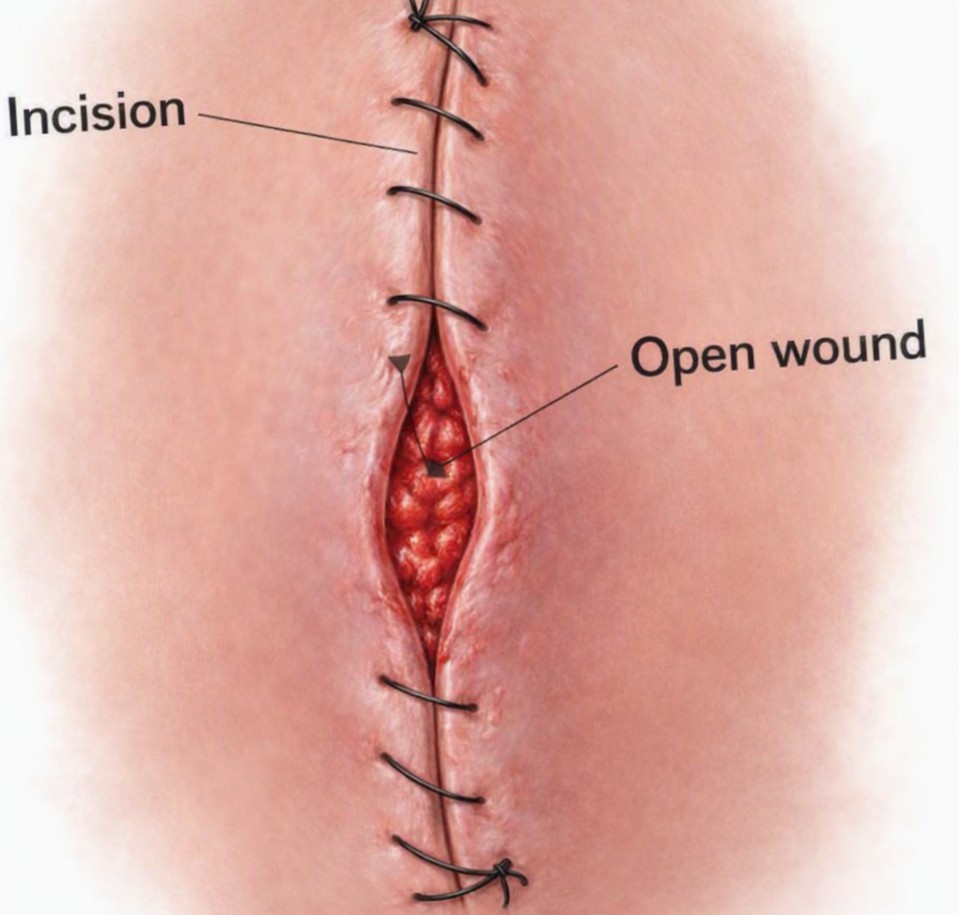
Pressure ulcers develop when sustained pressure, shear or friction reduces blood flow to the skin and underlying tissue, most often over the heels, sacrum, hips and elbows. They can progress rapidly from redness to deep tissue damage as low as bone, so prevention and early recognition are as important as treatment.
Infection is a high risk for these dreadful wounds and we are able to protect clients against both infection and deterioration and we have the knowledge to heal these wounds.
What this service involves
Risk assessment and skin inspection for patients with reduced mobility
Repositioning schedules and pressure-redistributing cushions and mattresses recommended in a full educational report
Grading of existing damage from category 1 through to unstageable
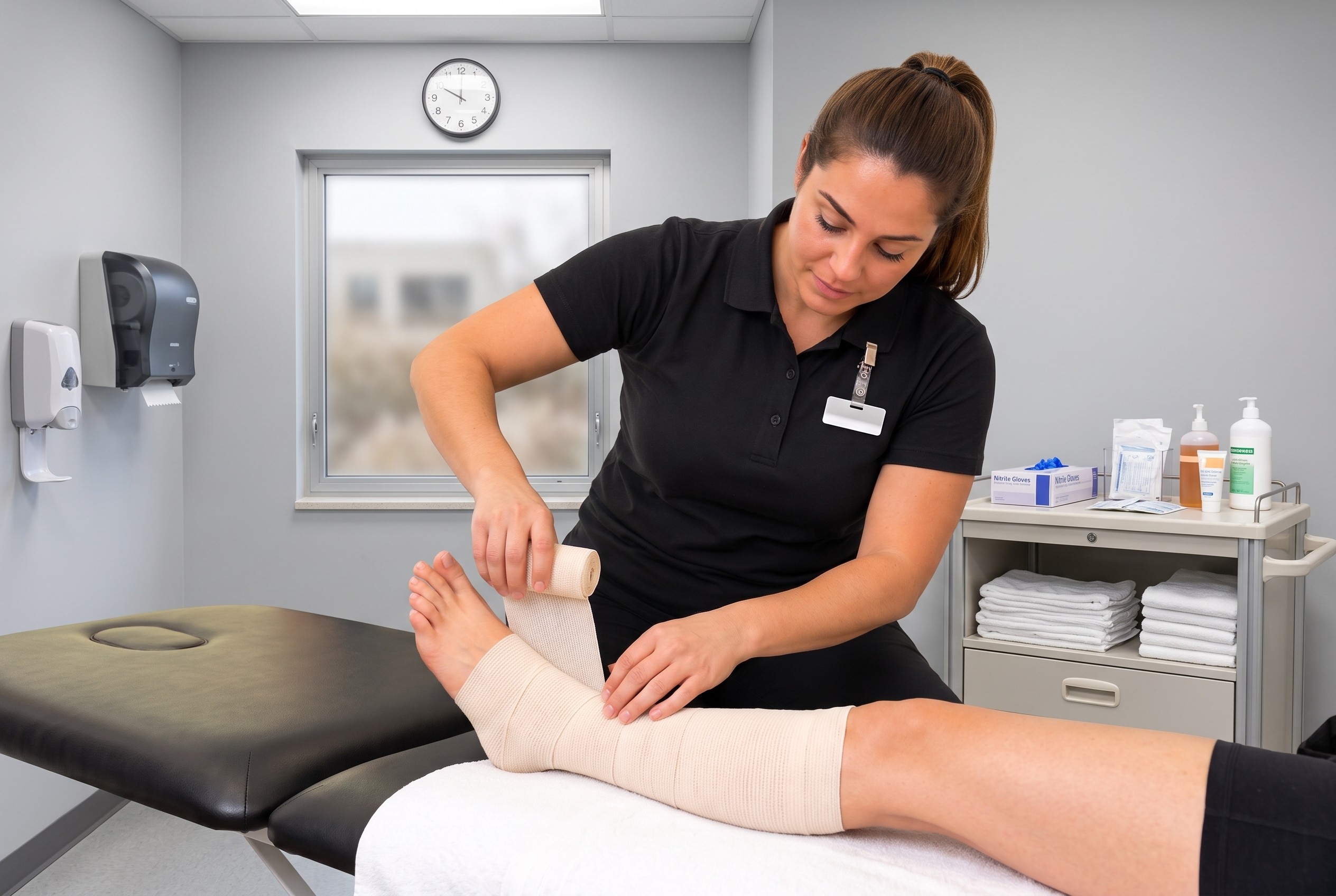
Debridement (removal of dead and infected tissue), cleansing and advanced dressings matched to wound depth and exudate
Moisture, continence and nutritional review to support healing
Practical training for family members and carers
Who it is for
Clients with limited mobility, those who spend long periods seated or in bed, and anyone recovering from surgery, illness or injury. Also appropriate for care homes and families managing pressure risk at home.
You do not have to spend your life in bed if you have a pressure ulcer. We undertake Seating Tolerance Testing to establish how long you can be safely seated without causing any issues.
What to expect
Superficial damage often resolves quickly once pressure is relieved. Deeper wounds need a structured plan combining offloading, wound care and nutrition, with regular reassessment to confirm the wound is moving in the right direction.
Request Appointment
We will ask you a series of questions that will guide your follow-up with an appointment coordinator.